Environmental Intelligence
We develop robust, interpretable, and scalable methods to improve forest monitoring.

DASOS' Vision is a multi-disciplinary R&D upcoming lab at the University of Exeter, UK. We develop scalable & transferable solutions for better monitoring forest ecosystems.
We develop robust, interpretable, and scalable methods to improve forest monitoring.
We make large Earth Observation datasets more accessible for research and decision-making.
We study forest structure, composition, and health.
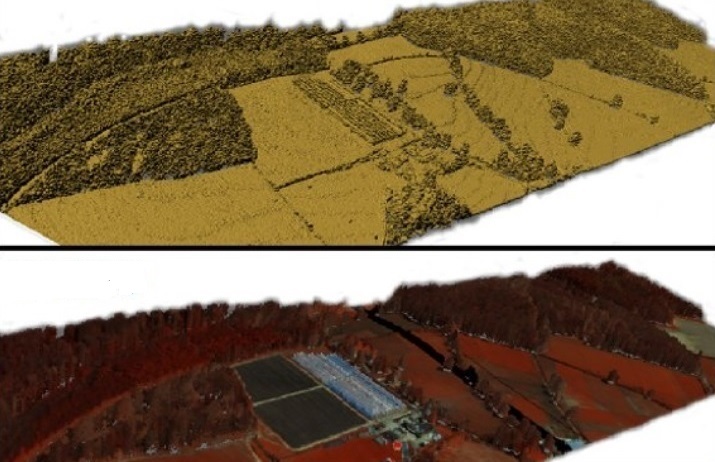
Explore the open-source tools developed by our research group.
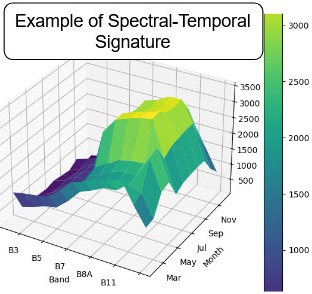
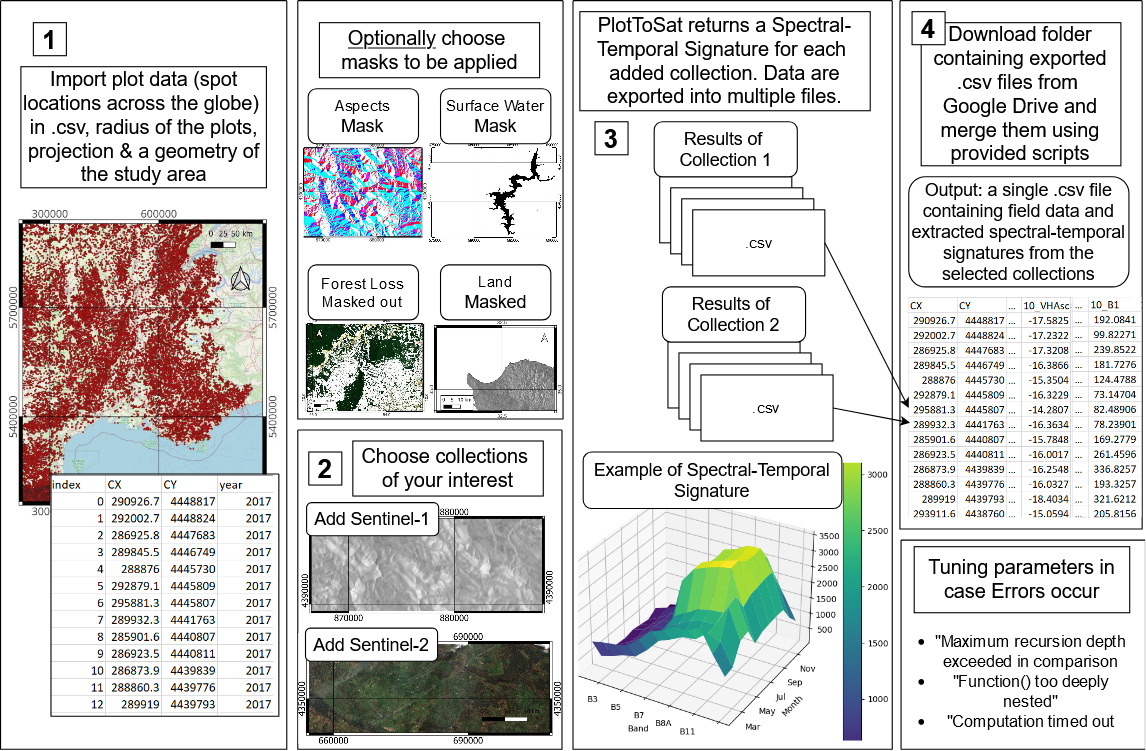
Efficient extraction of Sentinel-1 and Sentinel-2 time series across multiple regions, processed on the Google Earth Engine cloud platform.
Learn More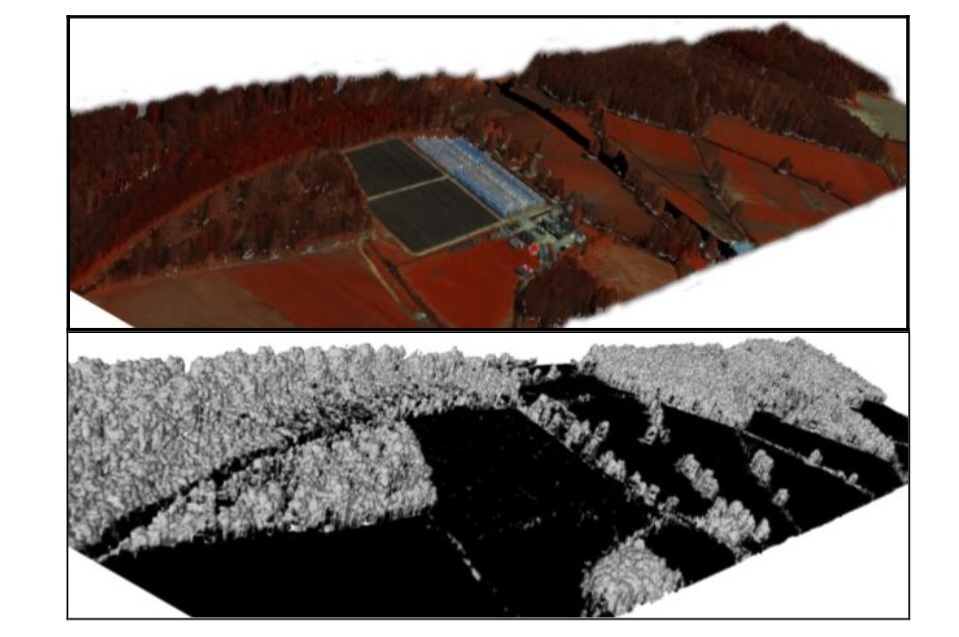
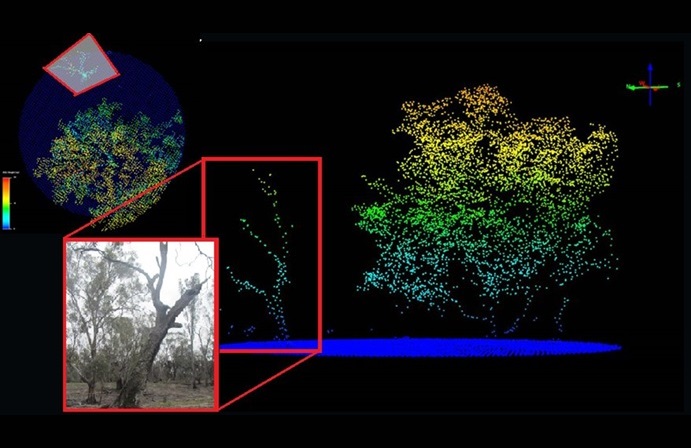
Extraction of structural features from 3D windows and 2D metrics, and creation of 3D polygonal meshes from rasterised LiDAR data to tackle uneven point density.
Learn MoreHighlighting the latest and most impactful studies, carefully chosen for their significance and insight. Full list of peer-reviewed papers is available here.
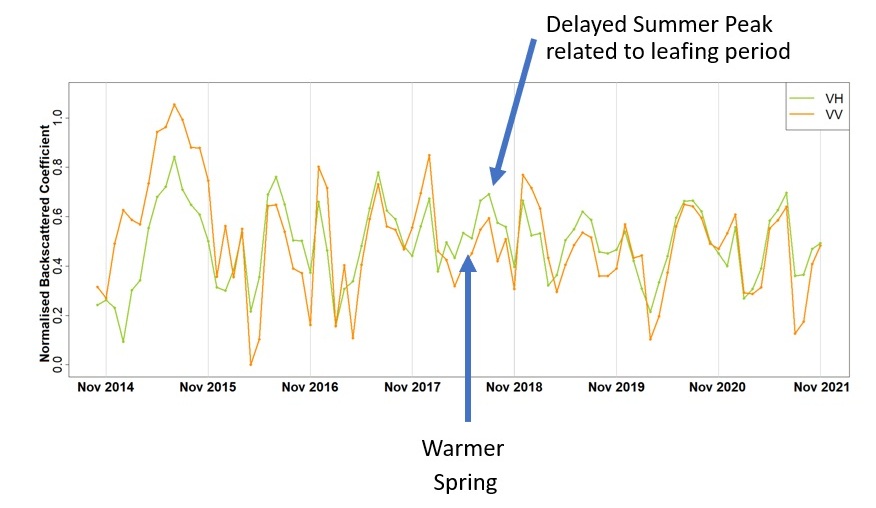
Key stories and milestones from our lab.
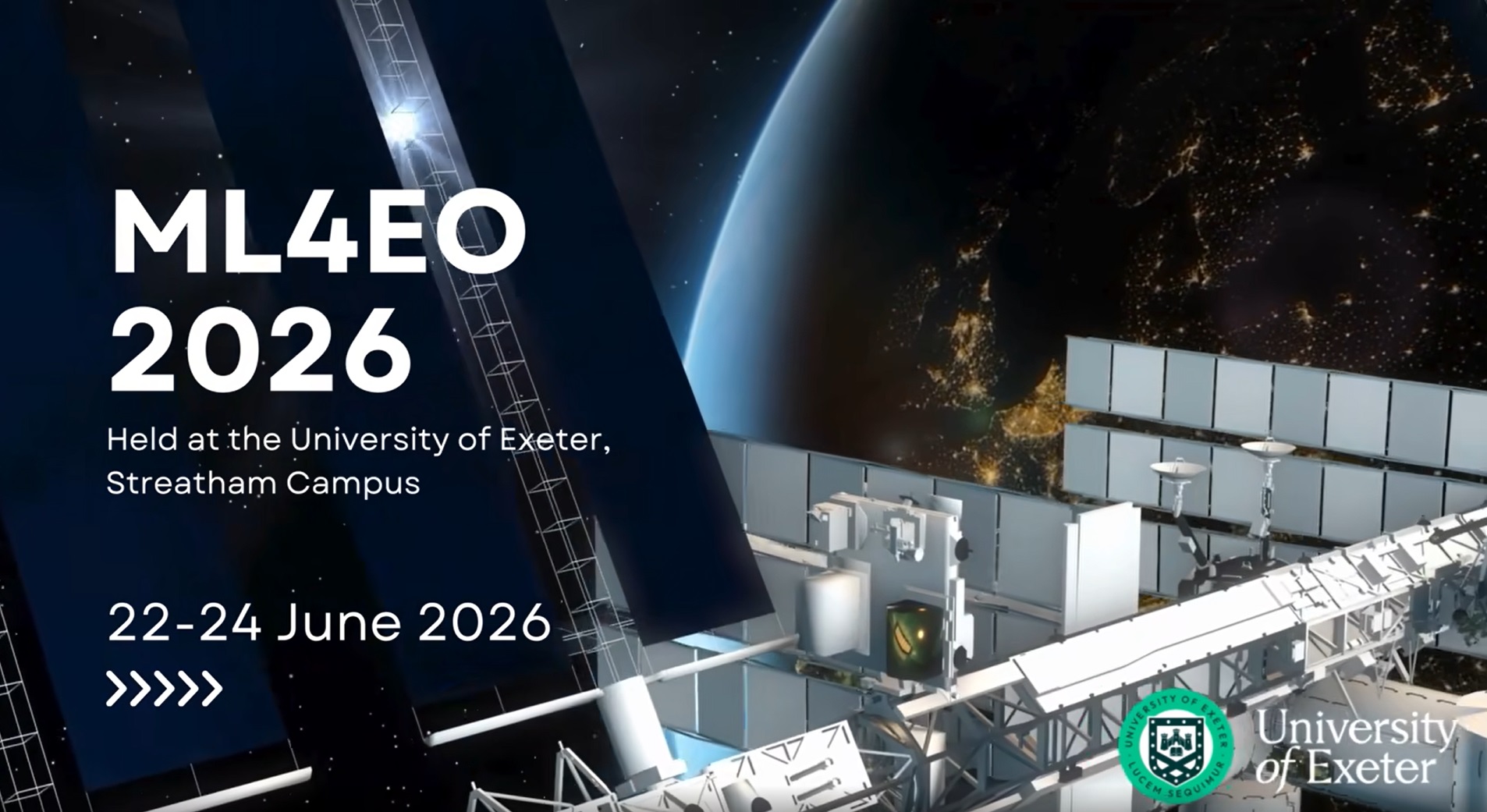
The 4th Machine Learning for Earth Observation (ML4EO) conference will take place on the 22nd-24th June 2026. ML4EO is organised annually by the Centre for Environmental Intelligence, University of Exeter. Last year we had around 140 participants. Dr Milto Miltiadou is co-chairing the conferences. More information about ML4EO are available here.
Check out our News ArchiveWondering what it’s like to be part of DASOS' Vision's group? Read testimonials from members and alumni.
Explore our ongoing and completed projects.
Meet the researchers, and alumni.
Explore the open-source tools developed by our research group.
Become a member or collaborate.